Fontana Shelter
GÜLÜMSE (Smile!)
fotoğraf baskısı
30 x 40 cm
3.500 ₺
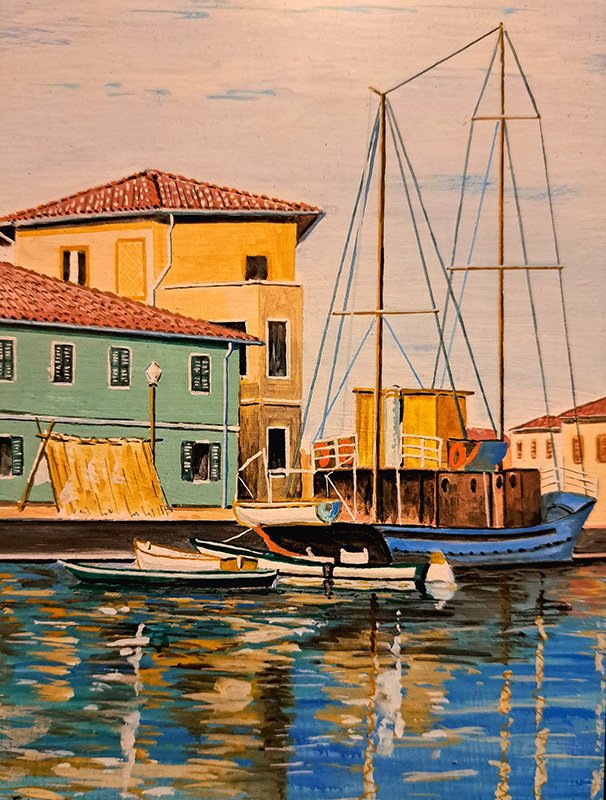
‘GÜLÜMSE ‘, a framed print by Fontana Shelter
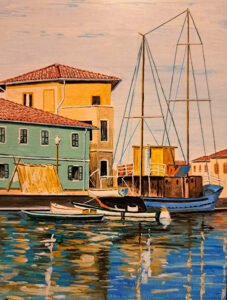
This framed print, portraying a pier (iskele), recalls a song by Sezen Aksu and encourages to find hope, joy, and resilience amidst life’s challenges. The lyrics, featuring iconic lines like ‘The climate changes, it becomes Mediterranean, smile!’, use nature metaphors to suggest positive emotional feelings.
So the central message is to remain positive or find joy despite difficulties, with the chorus ‘Gülümse hadi gülümse’ (Smile, go on, smile) serving as a comforting, mantra-like call to action. It embodies a bittersweet resilience: while it has an upbeat melody, the lyrics reflect a mature, slightly melancholic acceptance of life’s struggles, advising a smile as a remedy for loneliness or sadness. Finally, the lyrics often reference a change in atmosphere—moving from cold to a ‘Mediterranean’ (warm/hopeful) climate—symbolizing a personal, internal shift toward happiness.
In short, this iskele portrayed in the picture, is a Metaphor for Waiting: it represents loneliness and the vain search for a ‘landing point’ or someone waiting for us. In effect, piers are usually places of departures, arrivals, and long waits, making the sense of absence very concrete and visual. Nevertheless, we have to turn that loneliness into a form of hopeful acceptance. In conclusion, the iskele of our print is not just a maritime structure; it’s a symbol of a stop in life where the person we seek is missing, making the ‘smile’ requested by the song an act of true courage.
Fontana Shelter
SADECE SES KALIYOR (Only the Sound Remains)
fotoğraf baskısı
30 x 40 cm
3.500 ₺
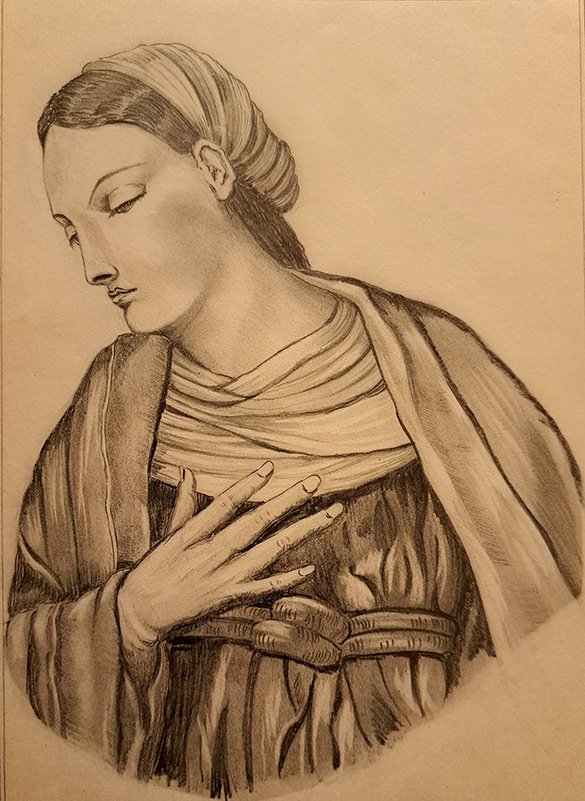
‘SADECE SES KALIYOR’, a framed print by Fontana Shelter
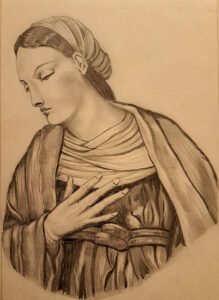
This framed print ‘Only The Sound Remains’, portraying a beautiful woman, recalls the poem ‘Only The Sound Remains’ by Füruğ Ferruhzad. It argues that while physical bodies, material objects, and traditional societal structures perish or prove meaningless, the voice—symbolizing artistic expression, truth, and humanity—endures. The woman in the picture represents the poetess and her interior troubles.
In fact, the recurring phrase ‘Voice, voice, only voice remains’ emphasizes that sound or artistic expression is the sole survivor of decay. It represents a form of non-violent, enduring resistance against censorship, oppression, and time. The poem rejects a passive, static life, famously asking, ‘Why should I stop?’ It highlights a rejection of societal constraints (‘newspaper worms’) and affirms a commitment to life and continuous movement. Moreover, the sound mentioned is detached from the mortal, ‘captive’ body and becomes a universal essence, a ‘melody’ of nature in an existential journey toward finding one’s true ‘self’ by confronting death and rejecting the ‘they-self’ (conformity).
In essence, ‘Only the Sound Remains’ is a defiant testament to the endurance of the human spirit and artistic voice, asserting that authenticity lies in continuous creation and movement rather than static survival.
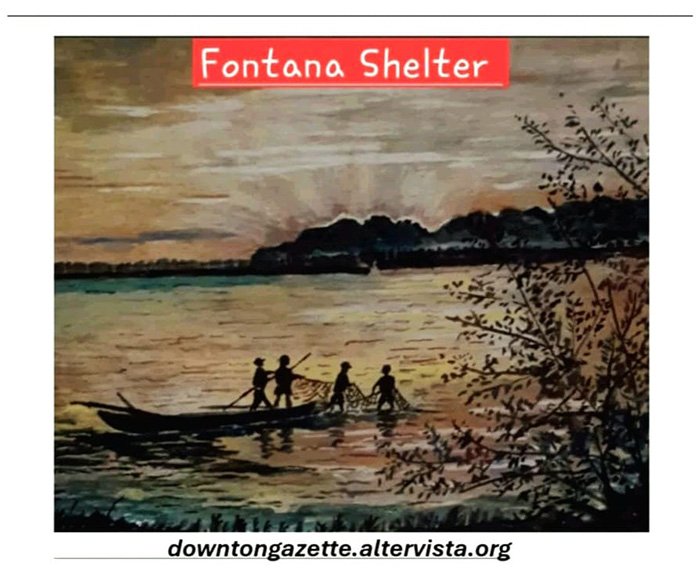
Fontana Shelter
Artworks